Hotteok (Korean Sweet Pancakes with Brown Sugar Filling)

- Prep
20 minutes (plus 1 hour rising time) - Cook
15 minutes - Serves
6-8 pancakes - Difficulty
medium
Ingredients
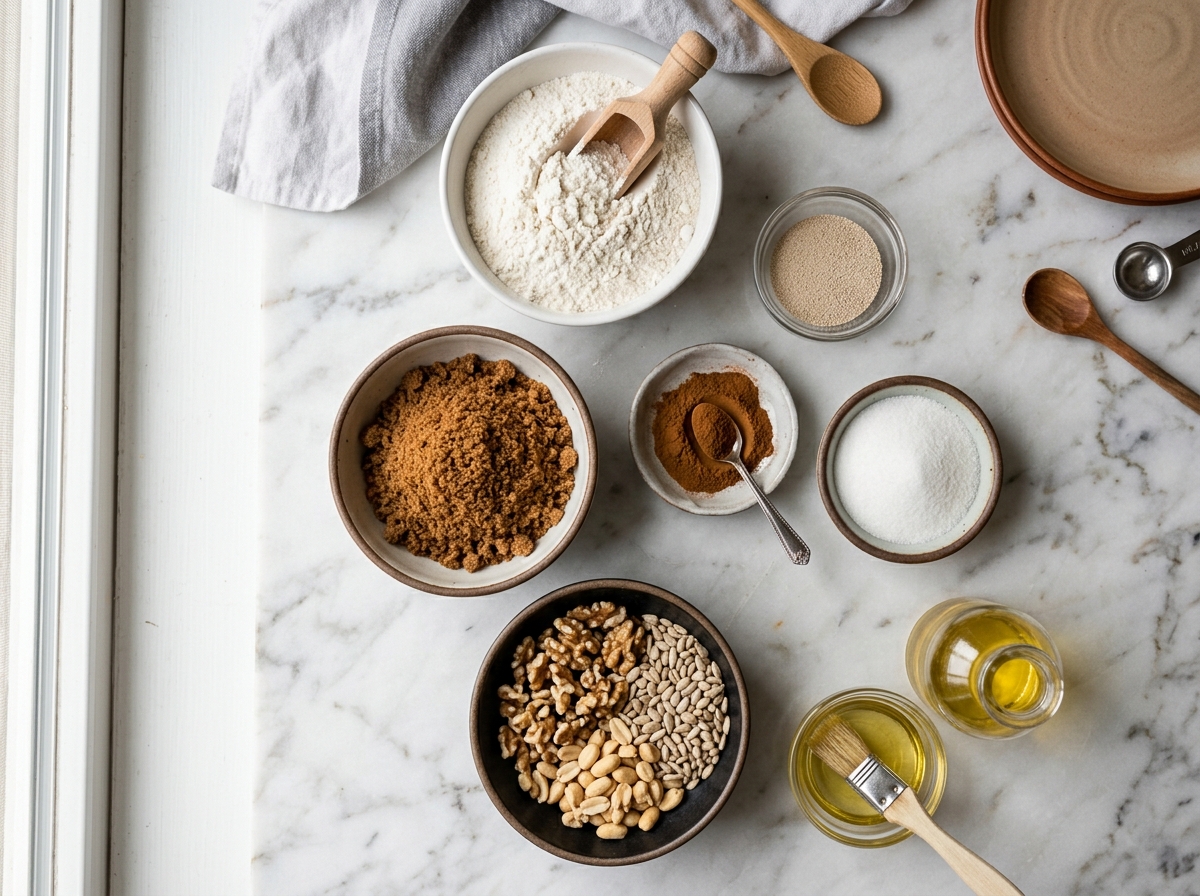
- 2 cups all-purpose flour
- 1 cup warm water (about 110°F/43°C)
- 2 tsp instant yeast
- 2 tbsp white sugar
- 1/2 tsp salt
- 2 tbsp neutral cooking oil (plus more for cooking)
- 3/4 cup brown sugar (light or dark)
- 1/4 cup chopped peanuts or walnuts (optional but traditional)
- 1 tsp ground cinnamon
- 2 tbsp white sesame seeds (optional)
These crispy-edged, chewy pancakes are one of Korea’s most beloved street snacks, especially popular in cold weather when the hot, melted sugar filling is pure comfort. The magic is in the contrast: a soft, yeasted dough that gets golden and crisp on the outside while the brown sugar-cinnamon filling melts into sweet syrup inside. The trickiest part—and what makes or breaks hotteok—is sealing the filling so it doesn’t leak out during cooking.
Make the Dough
In a large mixing bowl, combine the warm water, instant yeast, and white sugar. Stir and let it sit for about 5 minutes until foamy—this tells you your yeast is alive and active. Add the flour, salt, and 2 tablespoons of oil. Mix with a wooden spoon or your hands until a sticky, shaggy dough forms. Unlike bread dough, hotteok dough stays quite sticky and soft—don’t add extra flour trying to make it smooth.
Knead in the bowl for 2-3 minutes until the dough comes together. Oil your hands lightly if it’s too sticky to handle. Cover the bowl with a damp kitchen towel or plastic wrap and let it rise in a warm spot for 1 hour, or until roughly doubled in size. The dough should be puffy and soft.
Prepare the Filling
While the dough rises, mix the brown sugar, chopped nuts, cinnamon, and sesame seeds (if using) in a small bowl. Keep this mixture dry and ready—moisture will make it harder to seal later. Some cooks like to add a tiny pinch of flour to the filling mixture to help absorb the melting sugar, which can help prevent leaks, but it’s optional.
Shape and Fill
Once the dough has risen, oil your hands generously—this dough is sticky by design. Divide it into 6-8 equal portions (about golf-ball size). Take one portion and flatten it gently in your oiled palm into a disc about 3-4 inches wide, keeping the edges slightly thicker than the center.
Place about 1-2 tablespoons of filling in the center of the disc. Here’s the critical sealing technique: gather the edges of the dough up and over the filling, pinching them together firmly at the top like a little pouch. Then twist the gathered top and press it flat against the pancake. The key is to make sure there are no gaps or thin spots where the sugar syrup can escape. Press the seam side down and gently flatten the ball into a disc about 1/2 inch thick. The filling should be completely enclosed.
💡 Tip: The most common mistake is overfilling or not pinching the seam tightly enough. If sugar leaks out, it’ll burn on the pan and make a mess. When in doubt, use slightly less filling and seal very firmly.
Cook the Hotteok
Heat a nonstick or well-seasoned skillet over medium to medium-low heat. Add about 1 tablespoon of oil. Place one or two filled dough discs seam-side down in the pan. Cook for 2-3 minutes until the bottom is golden brown, then flip carefully.
After flipping, use a flat spatula or a hotteok press (a flat metal spatula works great) to gently press the pancake flat—about 1/4 inch thick. This spreads the melted filling and creates those crispy edges. Cook for another 2-3 minutes until both sides are deep golden brown and crispy. The sugar inside will be bubbling hot, so let them cool for a minute before biting in. Repeat with the remaining dough, adding a little oil to the pan between batches.
Serving and Variations
Hotteok is best eaten warm, when the filling is still gooey and the edges are crisp. Let them cool for just 1-2 minutes to avoid burning your mouth on the molten sugar. They’re traditionally a hand-held snack, often served in a paper cup on the street.
If you can’t find instant yeast, active dry yeast works too—just proof it a bit longer. No brown sugar? White sugar mixed with a little molasses or even just white sugar with extra cinnamon will work. For a savory twist, some cooks fill hotteok with japchae (glass noodles) or vegetables, but the sweet version is the classic. Leftover hotteok can be reheated in a dry skillet to crisp them back up, though they’re never quite as good as fresh.