Why South Korea Sends Troops Overseas: The Strait of Hormuz Explained

If you’ve spent time reading about South Korea, you’ve probably focused on the DMZ, North Korea tensions, or mandatory military service for Korean men. So it might surprise you to learn that South Korea routinely deploys military forces thousands of miles away—to places like the Strait of Hormuz, the Gulf of Aden, and Lebanon. For a country seemingly laser-focused on the threat from the North, why does Seoul send troops and ships to the Middle East?
The answer reveals a lot about modern South Korea’s global role, its economic vulnerabilities, and the strategic balancing act it performs between allies and adversaries.
The Strait of Hormuz: Why Korea Cares About a Distant Waterway
The Strait of Hormuz is a narrow chokepoint between Iran and Oman, connecting the Persian Gulf to the open ocean. About one-fifth of the world’s petroleum passes through this 21-mile-wide passage every day.
For South Korea, that statistic isn’t abstract. South Korea imports roughly 70% of its crude oil from the Middle East, and virtually all of it passes through the Strait of Hormuz. Unlike the United States or many European countries, Korea has no domestic oil reserves and limited pipeline alternatives. That tanker traffic isn’t just an economic concern—it’s a national security issue.
When tensions flare in the Gulf—whether from Iranian threats to close the strait, attacks on tankers, or regional conflicts—South Korea’s energy supply and manufacturing economy are directly at risk. The country’s massive shipbuilding, petrochemical, and automotive industries all depend on stable, affordable energy imports.
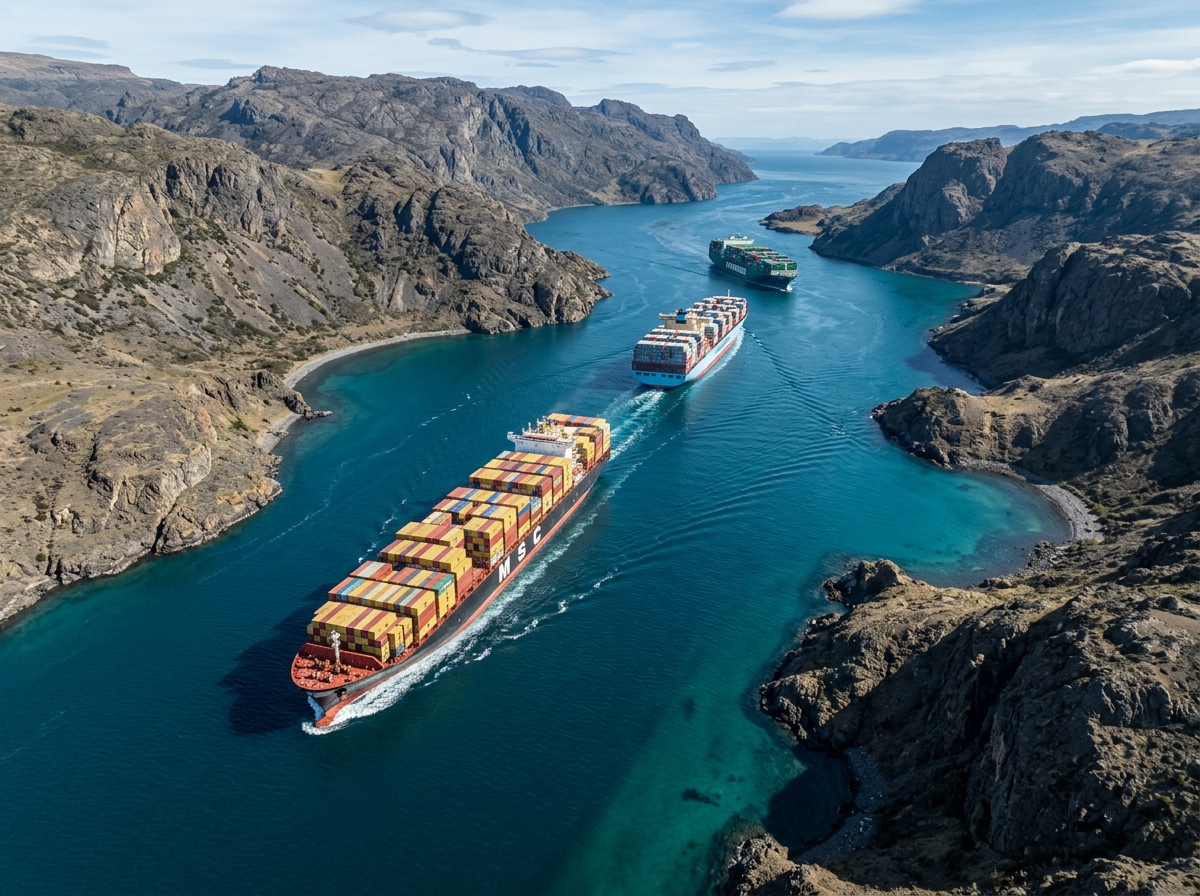
💡 Context: South Korea is the world’s fifth-largest importer of crude oil, despite having a population smaller than many individual U.S. states.
South Korea’s Overseas Military Presence Isn’t New
If you’re new to Korean affairs, you might assume that mandatory conscription and the massive standing army exist solely to defend against North Korea. That’s certainly the primary mission, but South Korea has been quietly contributing to international military missions since the 1960s.
During the Vietnam War, South Korea sent over 300,000 troops to fight alongside the United States—the largest foreign contingent after the Americans themselves. South Korean forces also deployed to Iraq and Afghanistan in the 2000s, and currently maintain a presence in Lebanon as part of UN peacekeeping operations.
Since 2009, South Korea has operated the Cheonghae Unit—a rotating naval task force of about 300 sailors and a destroyer—primarily focused on anti-piracy operations in the Gulf of Aden and broader maritime security in the region. This unit has occasionally operated near the Strait of Hormuz during periods of heightened tension.
Why Deploy When the Threat Is at Home?
South Korea faces a unique strategic dilemma. It needs a credible deterrent against North Korea, which requires a large, modern military. But it also needs:
- Energy security for its export-driven economy
- Strong alliances with the United States and other partners
- Global credibility as a middle power with interests beyond the peninsula
Deploying forces overseas serves all three goals. It demonstrates commitment to allies (especially the U.S., which stations 28,500 troops in Korea), protects critical supply routes, and signals that South Korea is a responsible stakeholder in global security—not just a country dependent on others’ protection.
The Balancing Act: China, Iran, and the U.S.
Here’s where South Korea’s position gets complicated—and fascinating for anyone interested in international relations.
China is South Korea’s largest trading partner, accounting for roughly a quarter of its total trade. Beijing does not want Seoul contributing to U.S.-led military coalitions in the Middle East or anywhere else that might be perceived as containment of Chinese influence.
Iran, despite being under U.S. sanctions, has historically been an important oil supplier to South Korea. Seoul froze billions of dollars in Iranian assets due to sanctions, creating a delicate diplomatic situation.
The United States is South Korea’s most important military ally and security guarantor. When Washington asks for contributions to maritime security operations—whether in the Gulf or the Indo-Pacific—Seoul faces intense pressure to participate.
South Korea’s typical response is what diplomats call “strategic ambiguity” with a generous dose of pragmatism. Rather than joining formal U.S.-led coalitions, Seoul often:
- Deploys forces under its own command and national flag
- Emphasizes the humanitarian or anti-piracy mission rather than any adversarial stance
- Coordinates informally with allies while maintaining diplomatic flexibility
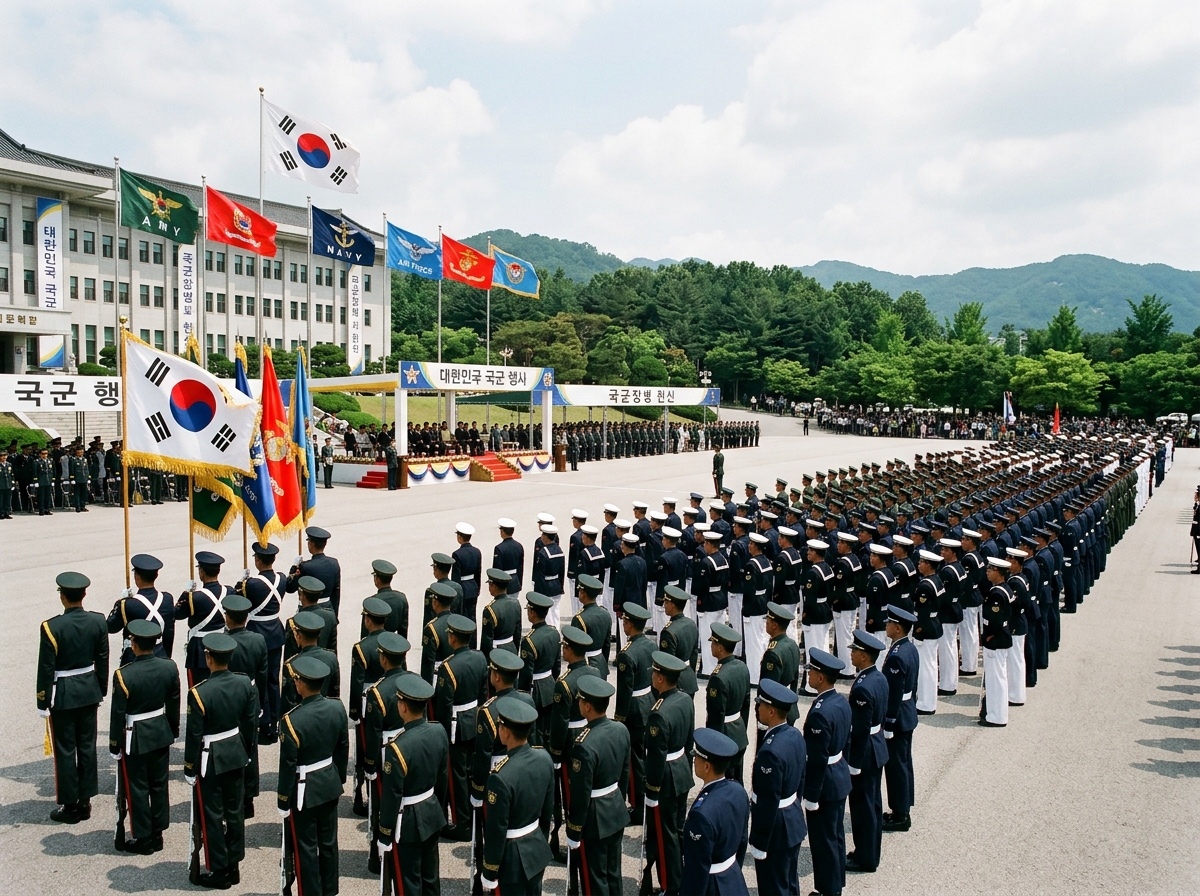
What “Contributions” Actually Mean in Practice
When you see headlines about South Korea “mulling contributions” or “considering deployment,” it rarely means combat troops storming beaches. Instead, these contributions typically include:
| Type of Contribution | What It Looks Like |
|---|---|
| Naval presence | A destroyer or frigate conducting patrols, escorting Korean-flagged vessels, gathering intelligence |
| Medical/support units | Field hospitals, transport, logistics support for coalition partners |
| Intelligence sharing | Satellite imagery, signals intelligence, coordination with allied forces |
| Humanitarian missions | Disaster relief, reconstruction, training local forces |
The Cheonghae Unit’s normal rotation already places Korean naval assets in the region, so “contributions” often mean extending a mission, slightly expanding the area of operation, or increasing coordination with other navies—not a dramatic new deployment.
The Domestic Politics Factor
Don’t underestimate the political sensitivity of these decisions within South Korea. Military deployments abroad are often controversial:
- Progressive politicians and voters tend to oppose missions seen as supporting U.S. military actions, fearing entanglement in conflicts unrelated to Korean security
- Conservative politicians generally support stronger alliance commitments and view deployments as necessary for maintaining U.S. support on North Korea
- The public is often skeptical about risking Korean lives for oil security, though attitudes shift depending on how missions are framed
Administrations of all political stripes move cautiously, emphasizing limited mandates, non-combat roles, and the protection of Korean economic interests rather than ideology.
What This Means for Korea’s Global Role
South Korea’s approach to overseas deployments reflects its broader evolution from a war-torn, aid-dependent country in the 1950s to the world’s tenth-largest economy and a significant middle power.
The country now contributes to UN peacekeeping, provides development aid, hosts international summits, and yes—sends naval forces to protect shipping lanes halfway around the world. For many Koreans, especially younger generations, this global engagement is a source of national pride and a marker of how far the country has come.
But the core tension remains: how to protect global interests and maintain crucial alliances while managing a existential threat just 35 miles north of Seoul, and without alienating major economic partners like China.
If you’re planning to visit Korea or dive deeper into understanding the country, it’s worth remembering that the geopolitical picture is far more complex than “divided peninsula.” South Korea operates on multiple strategic stages simultaneously—and every decision, from troop deployments to trade deals, involves calculating risks and benefits across all of them.
The Strait of Hormuz may be 4,000 miles from Seoul, but in an interconnected world where energy, security, and economics are inseparable, it’s very much part of Korea’s strategic backyard.