Why Korea Is Quietly Becoming a Global Defense Industry Powerhouse

When you think of South Korea, Samsung smartphones, BTS, and kimchi probably come to mind before tanks and artillery systems. Yet Korea has quietly climbed the ranks to become the world’s ninth-largest arms exporter—and its recent partnerships with countries like Estonia reveal a fascinating transformation decades in the making. Understanding Korea’s defense rise offers insight into how this small peninsula nation turned existential threats into economic opportunity.
From Survival Necessity to Export Powerhouse
Korea’s defense industry didn’t start as a business strategy—it began as a survival imperative. When the Korean War armistice was signed in 1953, South Korea was one of the poorest countries on Earth, completely dependent on American military protection and equipment.
Throughout the 1960s and 70s, concerns about U.S. commitment (especially during the Vietnam War era) pushed Korea to develop indigenous defense capabilities. The country needed to defend a heavily militarized border while building an economy from scratch. This dual pressure created a unique industrial ecosystem.
By the 1990s, Korean companies like Hanwha, Hyundai, and Samsung weren’t just making consumer electronics and cars—they were applying the same manufacturing excellence to military hardware. The same engineering culture that made Korean cars competitive globally was now producing artillery, aircraft, and naval vessels.
The Korean Defense Industry Model
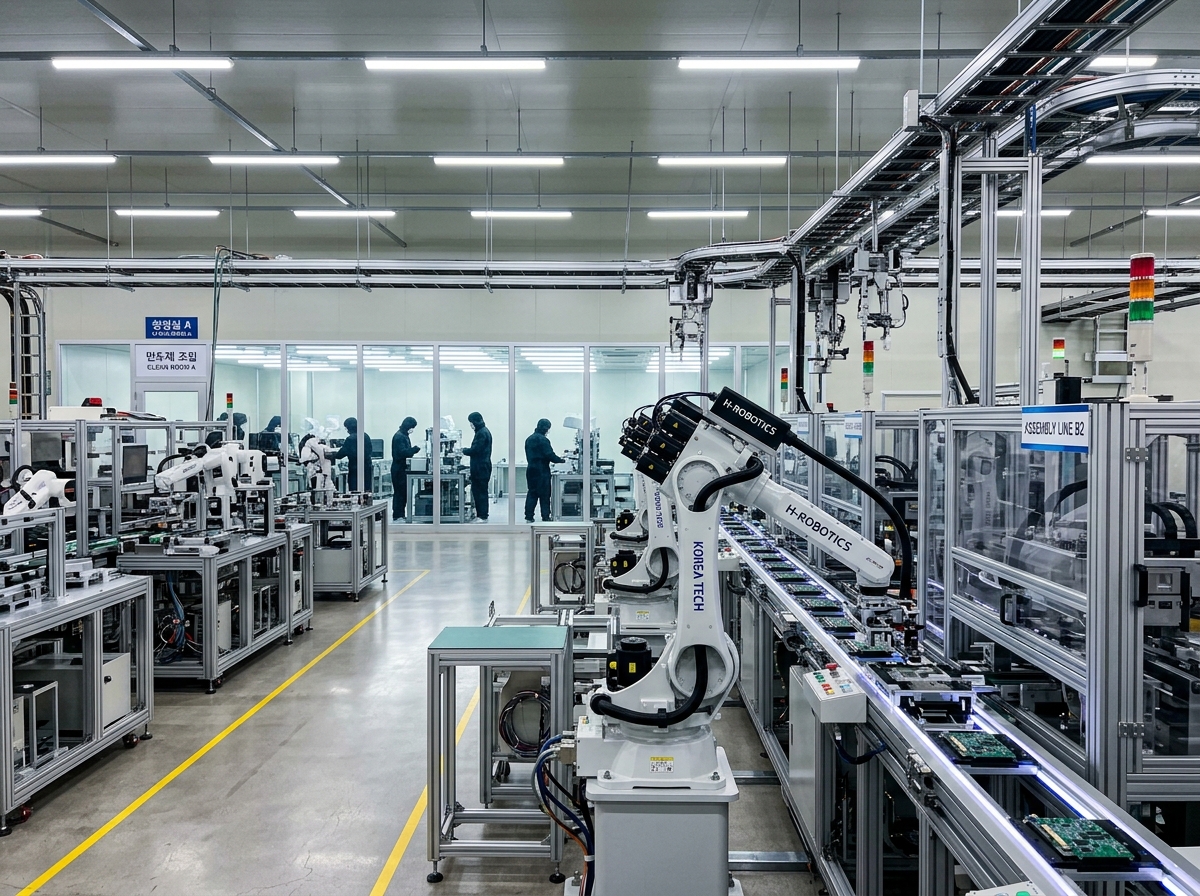
What makes Korea’s defense sector distinctive is its integration with the civilian economy. Unlike many countries where defense contractors operate in isolation, Korean conglomerates (chaebols) seamlessly blend military and commercial production.
Samsung Techwin (now Hanwha Aerospace) manufactures jet engines alongside security cameras. Hyundai builds tanks in facilities not far from automobile plants. This cross-pollination of technology and expertise keeps costs competitive while maintaining quality standards that meet NATO specifications.
The result? Korean defense products typically cost 30-40% less than comparable American or European systems, without sacrificing capability. For smaller nations with limited budgets, this value proposition is compelling.
Why Estonia and Other Small Nations Are Turning to Korea
Estonia’s deepening defense partnership with Korea isn’t random—it reflects a broader trend among small, technologically advanced nations facing security concerns.
Estonia, a Baltic nation of just 1.3 million people, shares a border with Russia and takes its defense seriously. But Estonia can’t afford American F-35 jets or German main battle tanks in quantities that would matter. Korean equipment offers a middle path: proven technology at accessible prices.
Korea’s K9 self-propelled howitzer, for example, has become one of the most exported artillery systems globally, serving in nine countries from Poland to Australia. The K2 Black Panther tank rivals the best Western designs at roughly two-thirds the price. For Estonia, these aren’t just cheaper alternatives—they’re opportunities to field modern capabilities that would otherwise be unaffordable.
What “Industry Partnerships” Actually Means
When headlines mention “industry partnerships,” they’re typically describing several types of cooperation:
- Technology transfer agreements where Korean companies share manufacturing know-how
- Joint development programs for customized systems meeting specific needs
- Offset arrangements requiring Korean firms to source components locally or invest in partner nations
- Training and maintenance support that builds long-term relationships beyond one-time sales
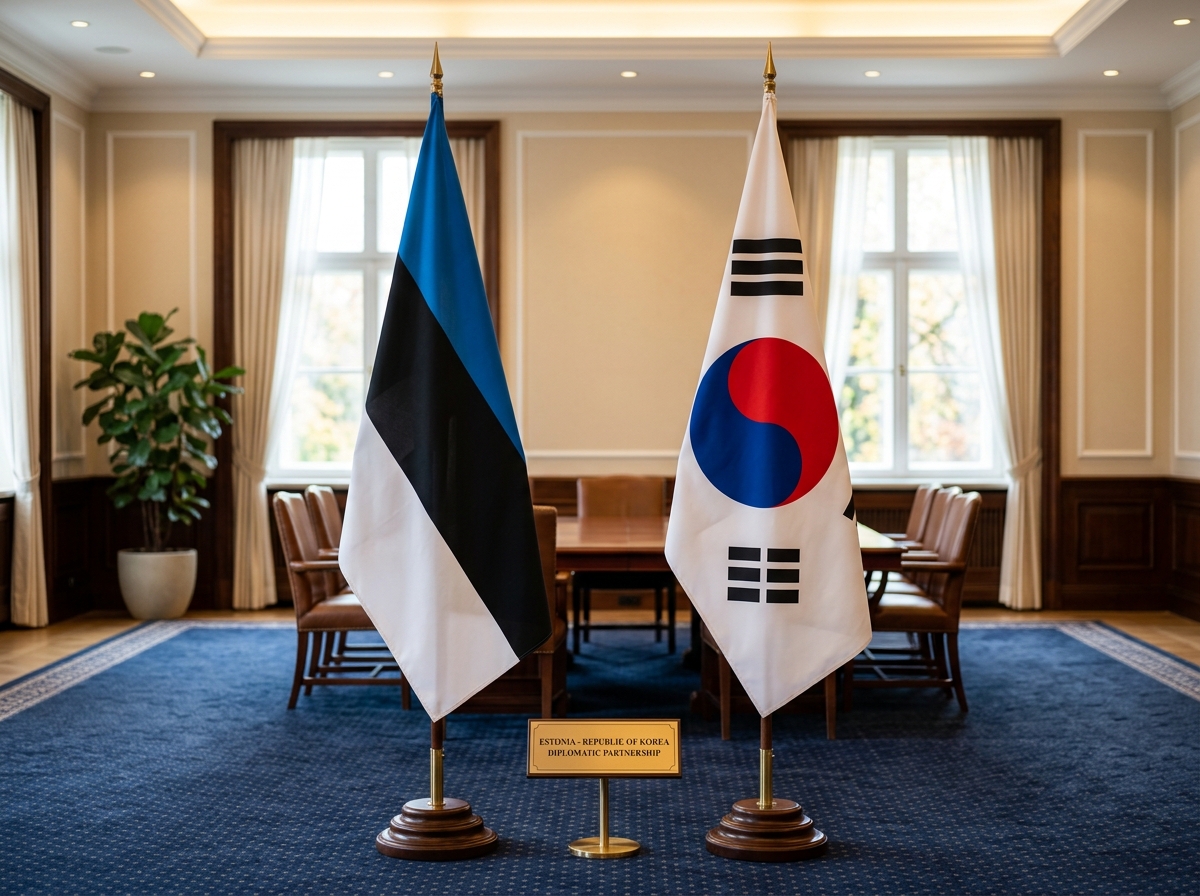
This approach contrasts with traditional arms sales, which often resemble one-way transactions. Korea positions itself as a collaborative partner rather than just a supplier, particularly appealing to smaller nations seeking to develop their own defense industrial bases.
The Geopolitical Dimension
Korea’s defense export success isn’t purely commercial—it serves strategic purposes too. Every K9 howitzer in Poland or submarine in Indonesia creates:
- Diplomatic leverage through defense cooperation frameworks
- Intelligence sharing opportunities as equipment creates ongoing relationships
- Standardization and interoperability that subtly aligns partner nations with Korean (and by extension, U.S.-allied) military systems
For Korea itself, these partnerships provide diplomatic heft that punches above the country’s size. A nation of 51 million people sandwiched between China and Japan gains international presence through defense cooperation that extends from Europe to Southeast Asia to South America.
💡 Interesting fact: Poland has become Korea’s largest European defense customer, ordering over $10 billion in Korean tanks, howitzers, and aircraft since 2022—more than Estonia’s entire annual GDP.
How This Ties to Korea’s Broader Identity
Korea’s defense industry success reflects the same national characteristics visible in its cultural exports. The relentless drive for excellence, the ability to learn from foreign models while adding local innovation, and the willingness to work harder than competitors—these traits show up whether Korea is exporting K-dramas or K-9 howitzers.
There’s also a pragmatic streak in Korean business culture: find what the market needs, deliver it reliably, and build long-term relationships. Korean defense companies don’t try to compete with American cutting-edge technology in every category. Instead, they focus on proven, reliable systems that meet 90% of most countries’ needs at 60% of the price.
What This Means for the Future
Korea’s defense industry trajectory shows no signs of slowing. The country is investing heavily in next-generation systems—unmanned vehicles, AI-guided systems, and electronic warfare capabilities—areas where Korean tech expertise translates naturally to military applications.
For travelers or K-culture enthusiasts, this dimension of modern Korea might seem disconnected from Seoul’s café culture or Busan’s beaches. But it’s part of the same story: a nation that transformed itself from ruins to a global player in just 70 years, leveraging every advantage and turning vulnerabilities into strengths.
The next time you see news about Korea partnering with a European country like Estonia on defense, remember you’re watching the continuation of one of the most remarkable national transformations in modern history—one that extends far beyond the battlefields to the boardrooms, factory floors, and diplomatic halls where Korea continues to prove it belongs among the world’s most capable nations.
Comments