Best Korean Dramas That Accurately Show Korean Daily Life

If you’ve watched a few Korean dramas, you’ve probably noticed a pattern: chaebols (billionaire heirs), love triangles in mansions, and plot twists involving secret birth parents. While fun, these shows don’t exactly reflect what most Koreans experience daily. If you’re curious about real Korean life—the neighborhoods, work culture, family dynamics, and everyday routines—these dramas do a much better job of showing it authentically.
Why Most K-Dramas Miss the Mark on Daily Life
Korean dramas are built for escapism, which is why they tend to skew heavily toward wealth, fantasy, and extreme situations. The typical K-drama protagonist either lives in a gleaming penthouse or a picture-perfect hanok, works at a glamorous company or not at all, and somehow never deals with the mundane realities of commuting, grocery shopping, or dealing with nosy neighbors.
But Korea’s real texture is in its middle-class neighborhoods, crowded subway rides, office hierarchies, convenience store runs at midnight, and multi-generational family dinners that run three hours long. The dramas below capture these details.
My Mister (나의 아저씨)
This quiet, emotionally heavy drama follows a middle-aged structural engineer and a young woman working temp jobs as they navigate loneliness and hardship. What makes it stand out is its unflinching realism about Korean work culture and economic struggle.
You’ll see the protagonist commute on the Seoul subway, grab soju and snacks at pojangmacha (street tents), and deal with office politics that feel very specific to Korean corporate hierarchy. The show depicts jjimjilbangs (bathhouses), cramped officetels (small studio apartments), and the weight of family obligation without romanticizing any of it.
What It Gets Right
- The grinding nature of Korean office life, including after-work drinking culture
- How younger workers address seniors and navigate workplace hierarchy
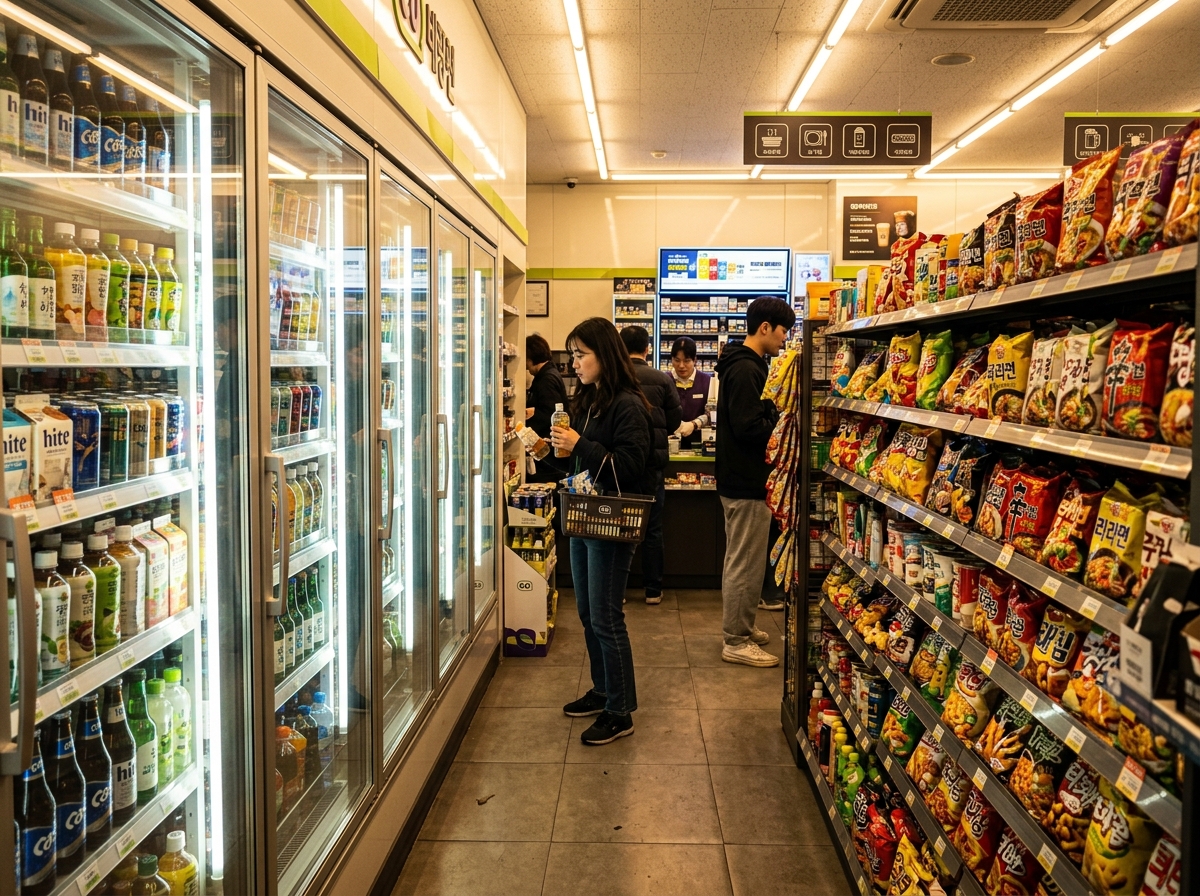
- The realistic look of working-class Seoul neighborhoods—no fairy lights or perfect cafes, just weathered buildings and convenience stores
💡 Tip: If you want to understand the concept of “jeong” (a deep, often unspoken bond between people), this drama explores it more authentically than any romantic comedy.
Reply 1988 (응답하라 1988)
Part of the beloved Reply series, this drama is set in the late 1980s but nails the feel of tight-knit Korean neighborhood life in a way that still resonates. Families live in a single alley, kids run in and out of each other’s homes, and everyone knows everyone’s business.
While the setting is retro, the social dynamics—multi-generational households, the role of the eldest son, communal meals, shared hardships—are very much alive in Korea today, especially outside Seoul’s trendiest districts.
What It Gets Right
- The physical layout of Korean homes: small, multi-use spaces with ondol (floor heating)
- How Korean families eat together, sharing banchan (side dishes) from common plates
- The sometimes overbearing but deeply caring nature of Korean parents and neighbors
- Realistic portr ayal of sibling dynamics and birth-order expectations
Hospital Playlist (슬기로운 의사생활)
This ensemble drama follows five doctors who’ve been friends since med school. It’s a workplace show, but the tone is warm and slice-of-life rather than melodramatic. The characters eat kimbap in break rooms, text in group chats, meet for beef and soju after shifts, and deal with very ordinary personal problems.
The show also portrays Korean professional life with notable accuracy—hierarchical but collaborative, with an emphasis on mentorship, long hours, and tight-knit work relationships that blur into friendship.
What It Gets Right
- How Koreans use messaging apps (especially KakaoTalk) as the primary communication tool
- Group dining culture and the ritual of ordering “one more round” (i-cha) after dinner
- The centrality of universities and alumni networks in Korean social life
- Casual food culture—characters eat everywhere from convenience stores to pojangmacha to family-run restaurants, not just trendy cafes
Be Melodramatic (멜로가 체질)
Three women in their thirties navigate careers, relationships, and quarter-life crises in Seoul’s media industry. Unlike typical romantic comedies, this one takes a meta, realistic approach to relationships and work-life balance.
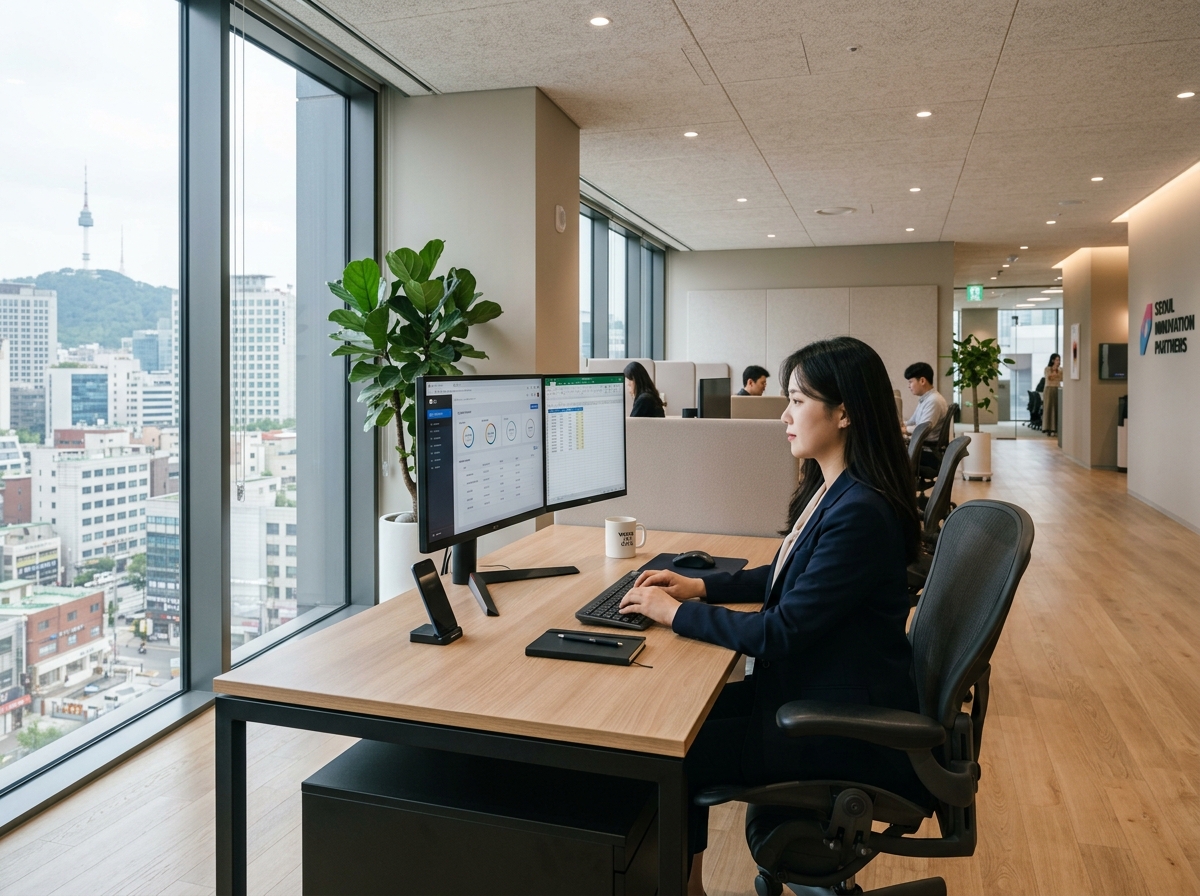
What sets it apart is how it shows the economic pressures young professionals face: living in small rentals, freelancing between gigs, dealing with demanding bosses, and questioning whether the “dream job” is worth the burnout.
What It Gets Right
- The reality of Korea’s competitive media and entertainment industries
- How young Koreans socialize—casual meals, low-key drinking, walks along the Han River
- The tone and rhythm of how Korean women talk to close friends (informal, rapid-fire, emotionally direct)
- The challenge of balancing traditional family expectations with modern career ambitions
Racket Boys (라켓소년단)
This heartwarming sports drama is set in a rural Korean town, which automatically sets it apart from the Seoul-centric majority of K-dramas. It follows a middle-school badminton team and their families, giving a window into small-town Korean life.
You’ll see agricultural communities, multi-generational homes, local government dynamics, and the warmth (and occasional nosiness) of rural Korean culture. It’s a great counterbalance if you want to see Korea beyond the capital.
What It Gets Right
- The education pressure even in rural areas and the role of extracurriculars
- How small Korean towns operate—everyone knows each other, local restaurants serve the same families for decades
- The migration of young people to cities and the aging of rural populations
- Community bonds that feel very specific to Korean culture
Misaeng (미생)
Often called the most realistic Korean workplace drama ever made, Misaeng follows a former Go player with no college degree as he enters the brutal world of corporate Korea as an intern. It’s slow, detailed, and sometimes uncomfortable—but it’s also the most accurate depiction of Korean office culture you’ll find.
The show dives deep into hierarchy, the importance of educational background (especially which university you attended), gender dynamics in the workplace, and the grind of proving yourself in a rigid system.
What It Gets Right
- The extreme hierarchy in Korean companies and how language reflects it (formal speech, titles, bowing)
- The after-work drinking sessions that are half-social, half-obligation
- The role of English proficiency and international trade work in Korean business
- Office layout, daily routines, and the unspoken rules of corporate survival
⚠️ Note: This drama can feel slow and heavy, especially if you’re used to faster-paced romantic comedies. But if you’re genuinely curious about Korean work life, it’s unmatched.
Why These Details Matter
When you watch dramas that get the small things right—how people greet each other, where they eat, how apartments are laid out, what they do after work—you start to understand Korea beyond the tourist highlights. You see why convenience stores are social hubs, why Koreans are so fluent in group dining etiquette, and why education and workplace hierarchy shape so much of daily interaction.
These shows won’t give you palace intrigue or time-traveling romances. But they will give you a much clearer picture of what life actually looks like for millions of people in Korea—and that’s valuable whether you’re planning a trip, learning the language, or just trying to understand the culture behind the content you’re watching.
Where to Watch
Most of these dramas are available on Netflix internationally, with Misaeng and Be Melodramatic sometimes requiring a VPN or alternative streaming service depending on your region. Reply 1988 is also on Netflix in most markets and remains one of the highest-rated Korean dramas of all time.
If you want to go deeper, check out the rest of the Reply series (Reply 1997 and Reply 1994) and the Hospital Playlist sequel season, both of which maintain the same grounded, slice-of-life tone.