Blackpink's Historic 2023 Coachella Headline Set Explained

In April 2023, Blackpink made history as the first K-pop act ever to headline Coachella, one of the world’s most prestigious music festivals. The moment represented far more than just another tour stop for the girl group—it was a watershed event that signaled Korean pop music’s full arrival on the global festival circuit’s biggest stages.
For international audiences who caught the headlines or saw clips circulating online, the significance might not have been immediately clear. Here’s the context behind why Blackpink’s Coachella headline set mattered so much, what they brought to the desert, and what it meant for K-pop’s continuing global expansion.
What Makes Headlining Coachella Such a Big Deal?
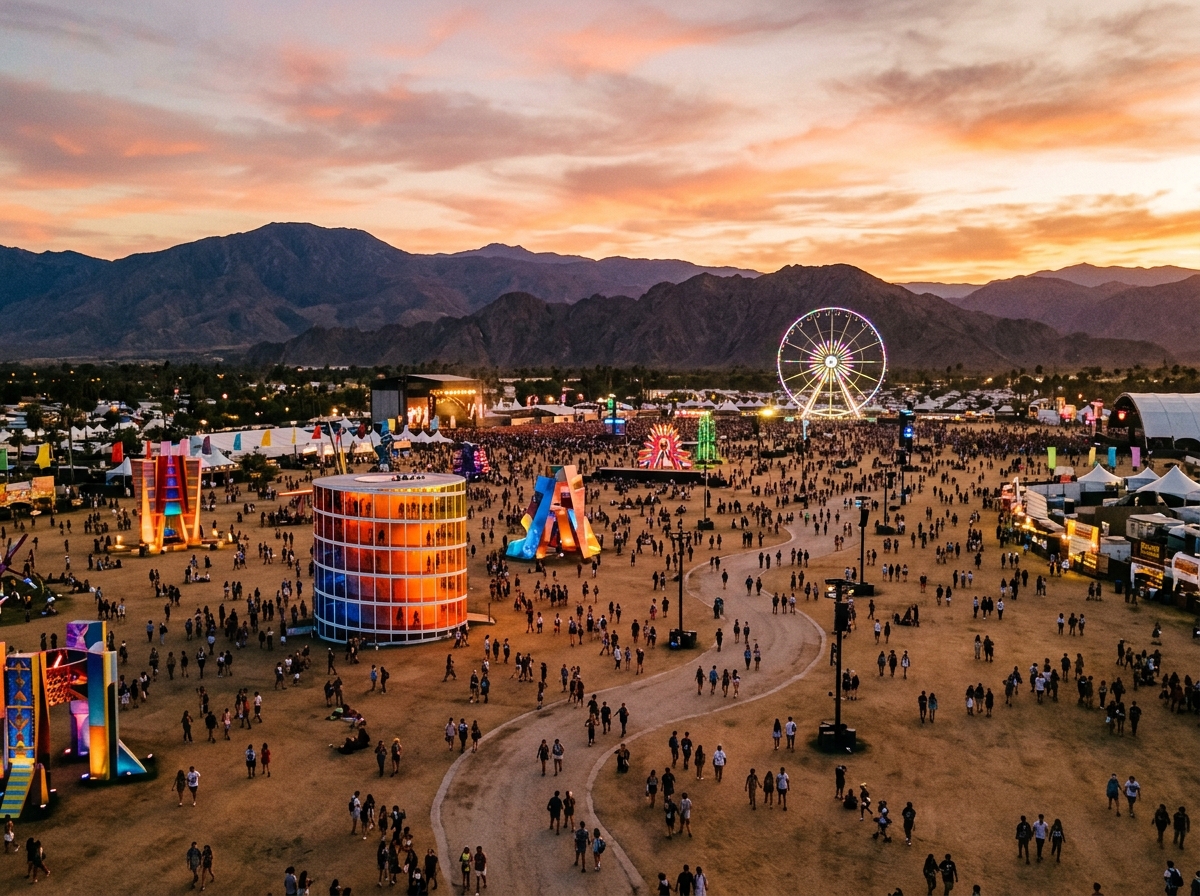
The Coachella Valley Music and Arts Festival, held annually in Indio, California, is widely considered one of the most influential music festivals in the world. Since its inception in 1999, the festival has become a cultural tastemaker, with headline slots reserved for the biggest names in music.
Headliner status at Coachella isn’t just about popularity—it’s a statement about an artist’s cultural reach and staying power. Past headliners have included Beyoncé, Radiohead, Kendrick Lamar, and Billie Eilish. Being asked to close out one of the festival’s nights means the organizers believe you can command the main stage and draw the massive crowds that define the event.
Blackpink headlined on both Friday, April 15 and Friday, April 22, 2023 (Coachella famously runs two identical weekends). This wasn’t a mid-afternoon slot or an early-evening set—this was the final, biggest performance of the night.
Breaking New Ground for K-Pop
While K-pop acts had performed at Coachella before—most notably 2NE1 in 2022 and Epik High and Blackpink themselves in 2019—those were standard festival slots, not headliner positions. The leap from “festival performer” to “festival headliner” is enormous.
Blackpink’s 2019 Coachella appearance had already been significant; they were the first female K-pop group to perform at the festival. But in 2023, they returned with top billing, closing out the night on the main Coachella Stage.
The promotion to headliner status reflected how dramatically Blackpink’s global profile had grown in the intervening years, fueled by:
- Chart-topping singles and albums across multiple countries
- Sold-out world tours including stadium shows
- Billions of streams and YouTube views
- Collaborations with major Western artists
- A devoted international fanbase (“Blinks”) that spans continents
What the Performance Delivered
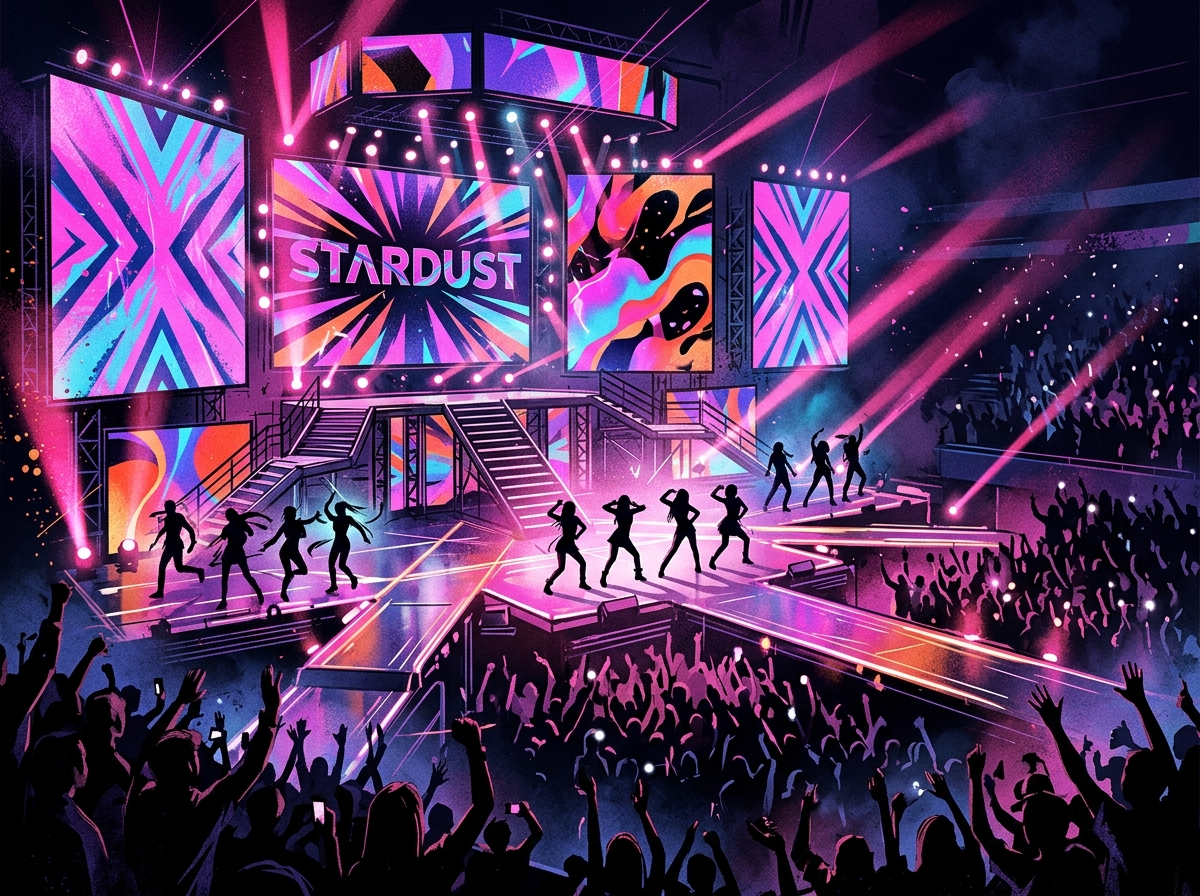
Blackpink’s set reportedly ran over 90 minutes, significantly longer than a typical festival slot and befitting a headliner’s extended showcase. The performance drew from their catalog of hits spanning their career since debut, including songs like “Pink Venom,” “Shut Down,” “How You Like That,” “Kill This Love,” and “DDU-DU DDU-DU.”
The group brought the production values K-pop is known for—synchronized choreography, multiple costume changes, and high-energy stagecraft—to the massive Coachella stage. For many in the festival crowd, it was likely their first exposure to a full K-pop performance delivered at this scale.
Audience and Industry Reaction
The performances drew massive crowds to the Coachella main stage both weekends, with videos and photos flooding social media showing packed fields of festivalgoers. Industry observers noted the moment as evidence of K-pop’s evolution from niche interest to mainstream cultural force in Western markets.
Music publications and major media outlets covered the event extensively, with many framing it as a milestone not just for Blackpink but for the broader acceptance of Korean music in spaces traditionally dominated by Western and Latin artists.
💡 Context: Coachella’s booking decisions often reflect where popular music culture is heading—Blackpink’s headline slot signaled that K-pop had moved from “emerging trend” to established global genre.
Why This Mattered for Korean Music Globally
Festivals like Coachella serve as crucial visibility platforms. They introduce artists to audiences who might not seek them out otherwise, and they confer a kind of mainstream credibility that streaming numbers alone don’t provide.
For K-pop as a genre, having a group headline Coachella sent several important signals:
- Legitimacy in Western music industry circles: Festival bookers, promoters, and industry gatekeepers now see K-pop acts as capable of carrying major events
- Expanded audience reach: Casual festivalgoers who attended for other acts were exposed to K-pop performed at its highest level
- Template for future acts: Blackpink’s success opened doors for other K-pop groups to receive major festival bookings and potentially headline slots in the future
The Bigger Picture: K-Pop’s Festival Presence
Since Blackpink’s historic Coachella headline, other K-pop acts have continued to secure increasingly prominent festival slots worldwide. The path from novelty booking to headliner status that Blackpink traveled has become a roadmap others can follow.
The 2023 Coachella performance also came during a period of remarkable global expansion for Korean entertainment more broadly—Korean dramas were dominating streaming platforms, Korean films were winning major awards, and K-pop groups were filling stadiums across multiple continents.
Blackpink’s headline set served as a highly visible symbol of this larger cultural shift: Korean entertainment was no longer something that needed explaining or justifying to international audiences. It had earned its place at the top of the marquee.
What Came After
Following their Coachella triumph, Blackpink continued their “Born Pink” world tour, which became one of the highest-grossing tours by a female group. The Coachella performance has been widely documented through fan recordings and media coverage, cementing its place as a defining moment in both the group’s career and K-pop’s international history.
For anyone wondering why the headlines about “Blackpink at Coachella” carried such weight in 2023—this was why. It wasn’t just a concert. It was a milestone years in the making, representing how far Korean music has come on the global stage and how completely the landscape has shifted for what “mainstream” music can include.