What Double Cleansing Actually Does (And Who Really Needs It)

If you’ve spent any time reading about Korean skincare, you’ve heard about double cleansing. But there’s a lot of confusion about what it actually accomplishes—and whether everyone truly needs to do it twice every night.
The short version: double cleansing uses two different types of cleansers in sequence to remove different kinds of buildup from your skin. The first cleanser targets oil-based debris (makeup, sunscreen, sebum), and the second cleanser tackles water-based impurities (sweat, dirt, leftover residue). It’s not about cleaning twice as hard—it’s about using the right tool for each job.
Let’s break down what’s really happening, who benefits most, and how to know if your skin actually needs it.
Why One Cleanser Often Isn’t Enough
Your skin collects two broad categories of grime throughout the day: oil-soluble substances (sunscreen filters, makeup, excess sebum, pollution particles that cling to oils) and water-soluble debris (sweat, dust, some types of dirt).
Most face cleansers are water-based, designed to foam or lather. They’re excellent at removing water-soluble dirt and refreshing your skin, but they struggle to break down oily, waxy, or silicone-heavy products completely. That’s where the first cleanse comes in.
An oil-based cleanser (or cleansing balm, which melts into oil) dissolves oil-soluble residues on contact. Like dissolves like—oil binds to oil, makeup, and sunscreen, lifting them away without harsh scrubbing. Once you rinse that first cleanser off, your second water-based cleanser can actually reach your skin, rather than just skimming over a film of leftover sunscreen.
The Two-Step Breakdown: What Each Cleanser Does
First cleanse: the oil-based step
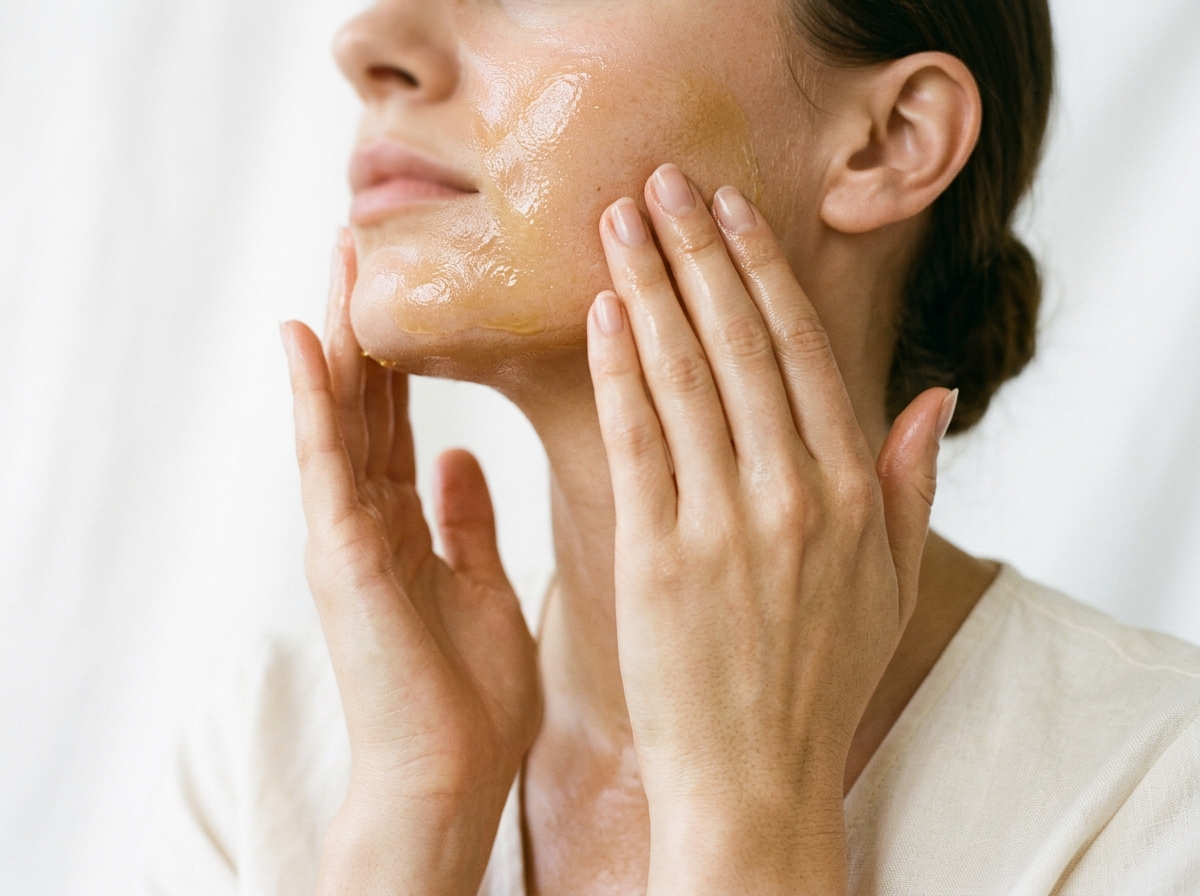
This step uses an oil cleanser, cleansing balm, or micellar water (though micellar water is less effective for heavy makeup or waterproof sunscreen). You apply it to dry skin, massage gently for 30–60 seconds to dissolve makeup and sunscreen, then emulsify with a splash of water before rinsing.
The goal here isn’t to clean your skin completely—it’s to remove the surface layer of oil-based products so the second cleanser can do its job.
Second cleanse: the water-based step
Once you’ve rinsed off the oil cleanser, follow with a gentle water-based cleanser—a low-pH gel, foam, or cream cleanser. This step removes any remaining residue, clears out sweat and water-soluble impurities, and leaves your skin genuinely clean (not tight or stripped).
Many people notice their second cleanser finally foams properly during this step, because it’s no longer fighting through a layer of sunscreen.
Who Actually Needs to Double Cleanse
Not everyone needs to cleanse twice every single day. Here’s a practical guide:
| You probably need it if… | You might skip it if… |
|---|---|
| You wear sunscreen daily (chemical or mineral) | You’re cleansing in the morning and didn’t wear products overnight |
| You wear makeup (foundation, BB cream, cushion compacts, etc.) | You have extremely dry or sensitive skin that reacts to over-cleansing |
| You use waterproof or long-wear makeup/sunscreen | You only wore a light moisturizer with no SPF (rare, but possible on a lazy day indoors) |
| You have oily or acne-prone skin that produces a lot of sebum | You’re dealing with a compromised moisture barrier and need to simplify |
| You live in a humid or polluted environment | Your dermatologist has advised a single gentle cleanse |
The bottom line: if you wore sunscreen or makeup that day, double cleansing is the most reliable way to get it all off. If you didn’t, a single gentle cleanse is usually fine.
Common Mistakes That Make Double Cleansing Less Effective
Even people who double cleanse regularly often miss a few key details:
- Skipping the first cleanse on “light makeup” days. Even tinted sunscreen or a sheer BB cream can leave a film that a water-based cleanser won’t fully remove.
- Rushing the oil cleanse. Give it 30–60 seconds of gentle massage so the oil has time to break down products. A quick rinse won’t cut it.
- Using the wrong second cleanser. If your second cleanser is too stripping (high pH, harsh sulfates), it can undo all the gentleness of the first step. Look for a low-pH cleanser (around 5.0–6.0) that doesn’t leave your skin tight.
- Double cleansing in the morning. Unless you applied a heavy sleeping pack or your skin is very oily overnight, one gentle cleanse in the morning is usually plenty. Over-cleansing can compromise your moisture barrier.
💡 Tip: If your skin feels squeaky-clean or tight after cleansing, that’s a sign you’ve stripped too much. Clean skin should feel soft and comfortable, not “grippy.”
How to Choose Your Cleansers
For the first cleanse
Pick based on texture preference—they all work similarly:
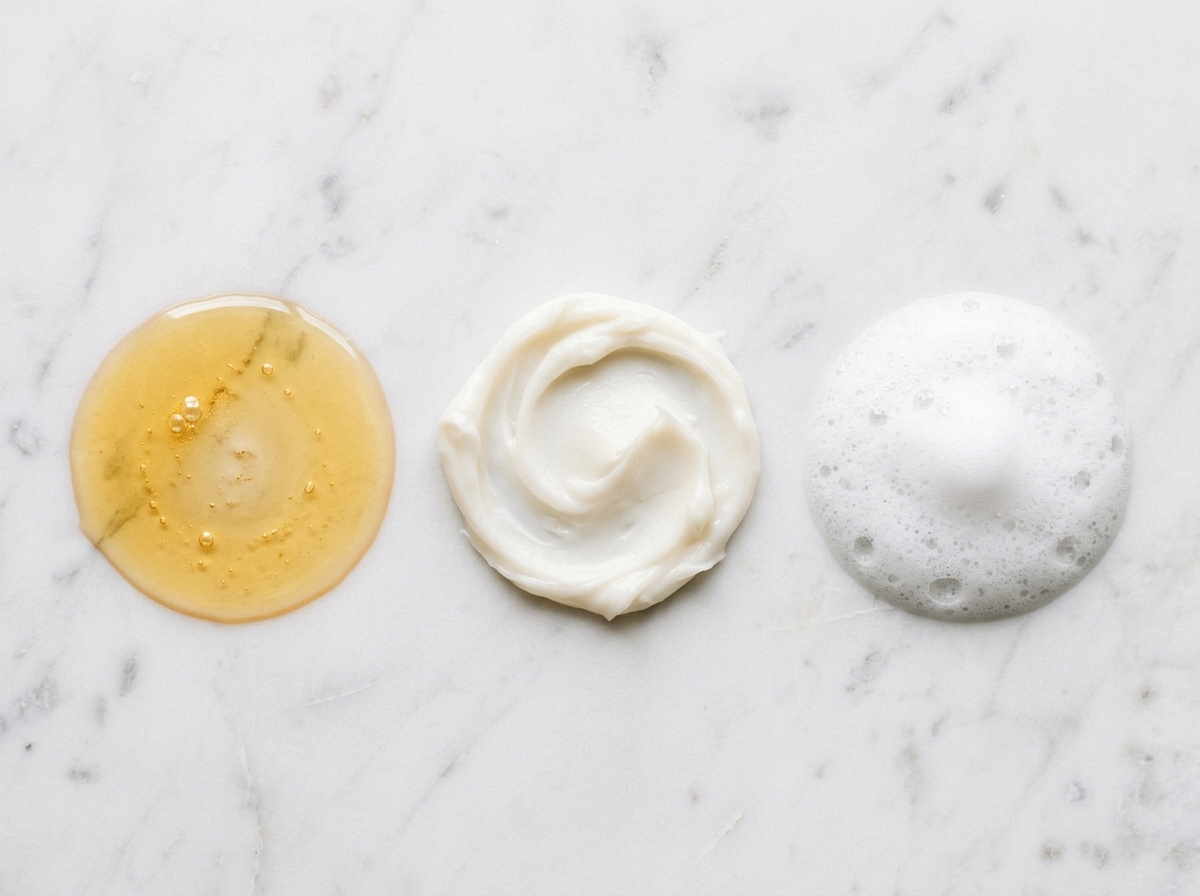
- Cleansing oils are lightweight, rinse clean, and work well for oily or combination skin.
- Cleansing balms are richer and more nourishing, often better for dry or mature skin.
- Micellar water is a gentler, no-rinse option for sensitive skin or travel, though it’s less effective on heavy or waterproof products.
Avoid anything with a long list of fragrance or essential oils if you have sensitive or reactive skin.
For the second cleanse
Match this to your skin type:
- Oily/acne-prone: a gentle foaming gel with salicylic acid or tea tree, pH 5.0–6.0.
- Dry/sensitive: a creamy or milk cleanser with ceramides, centella, or hyaluronic acid.
- Combination: a low-pH gel cleanser that’s hydrating but not heavy.
- Mature: a soft foam or cream cleanser with peptides or niacinamide for a touch of anti-aging benefit.
The second cleanser should never make your skin feel tight, even if you have oily skin. If it does, it’s too harsh.
When to Skip or Modify the Routine
Double cleansing is powerful, but it’s not a one-size-fits-all rule. Skip or simplify if:
- Your skin is flaking, red, or stinging—signs of a damaged moisture barrier. Stick to one gentle, hydrating cleanser until your skin recovers.
- You’re using prescription retinoids or exfoliating acids that make your skin more sensitive. A single low-pH cleanse may be gentler.
- You’re dealing with eczema, rosacea, or very reactive skin. Consult a dermatologist about the best cleansing routine for your condition.
Remember, this is general guidance, not medical advice. If you experience persistent irritation, breakouts, or other concerns, patch-test new products and consider seeing a dermatologist to tailor a routine to your specific skin needs.
The Real Goal: Clean Skin, Not Stripped Skin
Double cleansing isn’t about being obsessive or “super clean.” It’s about removing what your skin doesn’t need (sunscreen, makeup, pollution, excess oil) without stripping away what it does (your natural moisture barrier, beneficial lipids, a healthy pH).
Done right, your skin should feel soft, balanced, and ready to absorb the serums, essences, and moisturizers that follow. If it feels tight, red, or uncomfortable, you’re overcleaning—dial it back.
The beauty of this method is its simplicity: one step for oil-based buildup, one step for everything else. If you wear sunscreen or makeup, it’s one of the most effective ways to keep your skin genuinely clean without overworking it. If you don’t, save the extra step for when you actually need it.