Snail Mucin in Skincare: What the Science Actually Says

Snail mucin—or snail secretion filtrate—has become one of K-beauty’s most talked-about ingredients. It sounds unusual, even off-putting at first, but this ingredient has a dedicated following and a growing body of research behind it. If you’ve been curious but skeptical, or wondering whether the hype matches reality, here’s what the science actually says about snail mucin in skincare.
What Is Snail Mucin, Really?
Snail mucin is the sticky, glycoprotein-rich secretion produced by snails to protect and repair their own skin as they move. In skincare formulations, it’s typically listed as snail secretion filtrate (SSF) and is harvested, filtered, and processed before being added to serums, creams, and masks.
The mucin itself is a complex mixture of proteins, glycolic acid, hyaluronic acid, glycoproteins, enzymes, copper peptides, and antimicrobial peptides. It’s this combination of ingredients—not any single magic compound—that gives snail mucin its skin benefits.
Ethical sourcing is a common concern. Reputable suppliers use stress-free harvesting methods where snails crawl over mesh in controlled environments, naturally secreting mucin without harm. If this matters to you, look for products from brands that disclose their sourcing practices.
The Research: What Studies Have Found
While snail mucin isn’t as exhaustively studied as ingredients like retinol or niacinamide, there is peer-reviewed research documenting its effects.
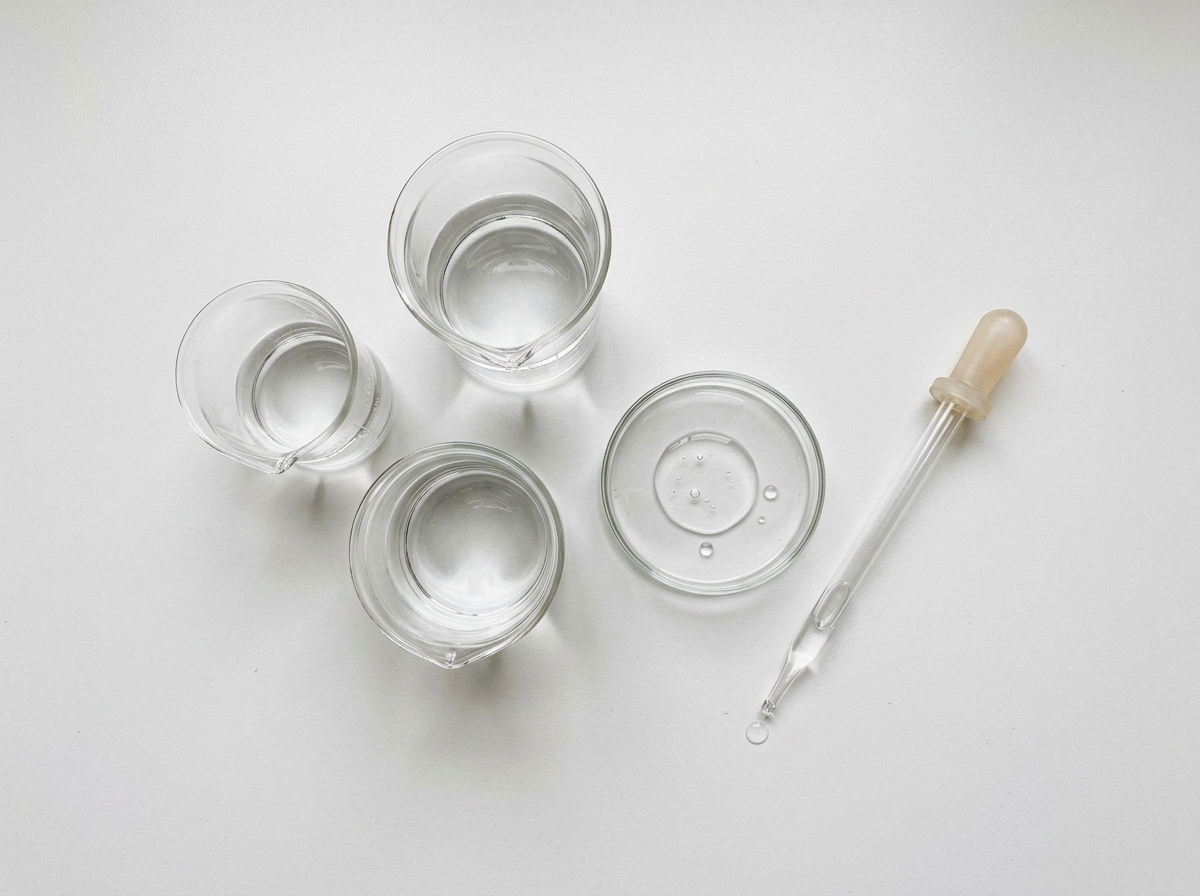
A frequently cited study published in Skin Pharmacology and Physiology found that snail secretion filtrate helped improve skin hydration, elasticity, and the appearance of fine lines over 12 weeks of use. Another study in Journal of Drugs in Dermatology showed benefits for photoaging and hyperpigmentation when snail mucin was combined with other actives.
Lab studies have demonstrated that snail mucin can promote fibroblast proliferation—the cells responsible for collagen production—and has antioxidant properties that may help protect against free radical damage.
It’s important to note that most published studies are relatively small and some are funded by ingredient suppliers or cosmetic companies. That doesn’t invalidate the findings, but it means we should view claims with healthy skepticism and recognize that more independent, large-scale research would be valuable.
What Snail Mucin Is Good For
Based on both research and widespread anecdotal use, snail mucin excels in several key areas:
Hydration and Moisture Retention
Thanks to its hyaluronic acid and glycoprotein content, snail mucin is an effective humectant that draws water into the skin and helps maintain hydration levels. It’s lighter than many heavy creams but more substantial than watery toners, making it a versatile middle-step hydrator.
Skin Barrier Repair
The mucin’s blend of proteins and peptides appears to support barrier function, which is especially helpful for sensitized, compromised, or post-procedure skin. Many users report that their skin feels calmer and more resilient with regular use.
Smoothing Texture and Fine Lines
The glycolic acid in snail mucin provides very gentle exfoliation, while the peptides may support collagen synthesis over time. This combination can lead to smoother, softer-looking skin and a subtle improvement in fine lines with consistent use.
Hyperpigmentation and Scarring
Some users and smaller studies suggest snail mucin may help fade post-inflammatory hyperpigmentation (PIH) and improve the appearance of acne scars. The mechanism likely involves a combination of gentle exfoliation, hydration, and the wound-healing properties of certain peptides and growth factors in the mucin.
How to Use Snail Mucin in Your Routine
Snail mucin most commonly appears in essences, serums, and ampoules, though you’ll also find it in creams, sheet masks, and even cleansers (though leave-on products are more effective).
The typical K-beauty layering order places snail mucin after cleansing and toning but before heavier serums, oils, or moisturizers. Think of it as a hydrating, treatment-boosting step.
Here’s a simple framework:
- Cleanse (double cleanse if wearing sunscreen or makeup)
- Tone (pH-balancing or hydrating toner)
- Snail mucin essence or serum (2-3 pumps, pressed gently into damp skin)
- Other targeted treatments (e.g., niacinamide serum, vitamin C)
- Moisturizer
- Sunscreen (morning only)
You can use snail mucin both morning and night. It plays well with most other ingredients—niacinamide, hyaluronic acid, peptides, and centella are all great companions. It’s generally mild enough for sensitive skin, though as with any new product, patch-testing is wise.
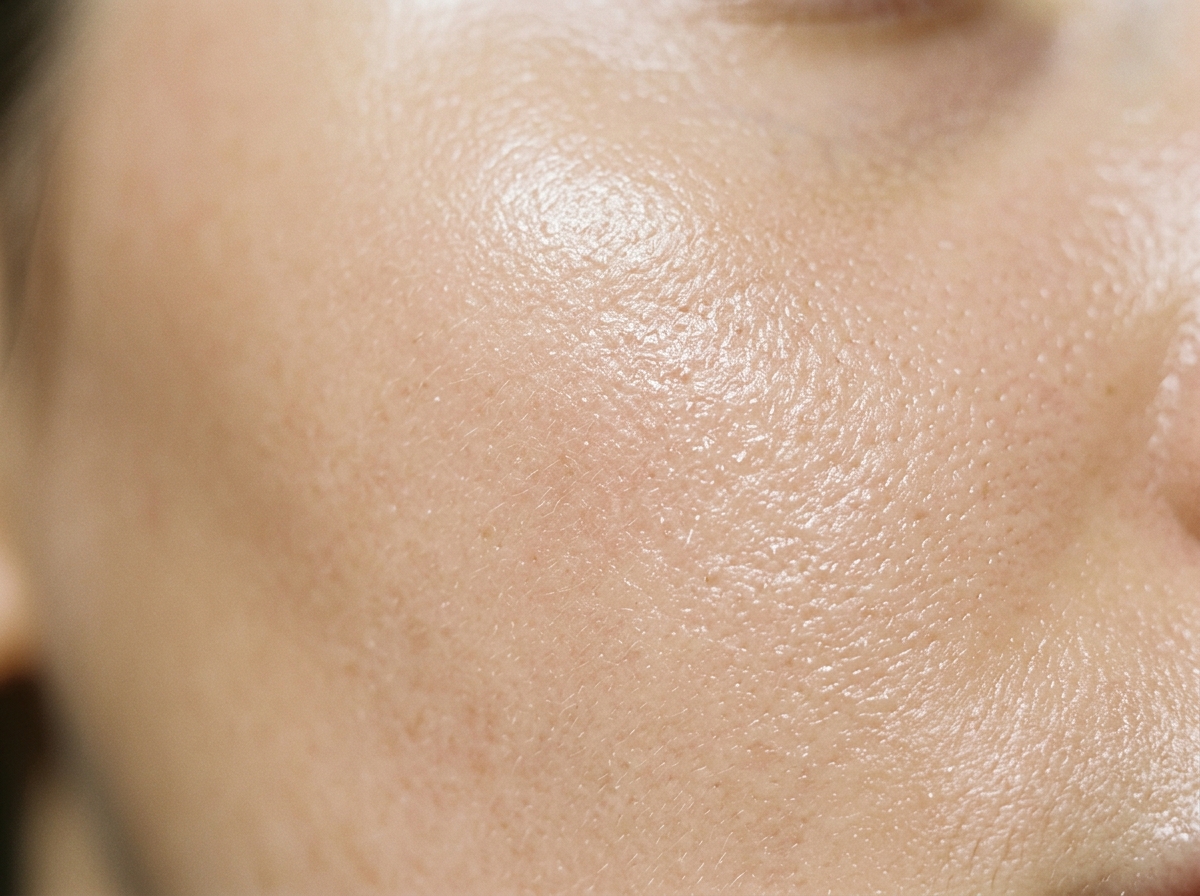
What Snail Mucin Won’t Do
Let’s set realistic expectations. Snail mucin is a solid, gentle, multi-benefit ingredient, but it’s not a miracle cure.
It won’t replace actives like retinoids for significant anti-aging results, high-strength vitamin C for brightening, or prescription treatments for acne or rosacea. If you have active breakouts, snail mucin alone won’t clear them, though it may help with healing and preventing post-acne marks.
It also works slowly. Most users notice an immediate hydration boost, but improvements in texture, tone, and fine lines take weeks to months of consistent use.
And while the research is promising, it’s not as robust as the evidence base for ingredients that have been studied for decades. That doesn’t mean snail mucin doesn’t work—just that we should remain appropriately cautious about overstated claims.
Who Should (and Shouldn’t) Try It
Snail mucin is often a great fit for:
- Dehydrated or dull skin needing a hydration boost
- Sensitized or compromised barriers
- Anyone dealing with post-acne marks or uneven texture
- People looking for a gentle, multi-tasking ingredient that layers well
You might want to skip it if:
- You have a shellfish allergy (though snails are mollusks, not shellfish, cross-reactivity is theoretically possible—consult your doctor if concerned)
- You’re vegan or uncomfortable with animal-derived ingredients
- You have a dust mite allergy (rare, but there’s some theoretical cross-reactivity; patch-test first)
⚠️ Note: If you experience redness, itching, or irritation after using snail mucin, stop use immediately. While it’s generally well-tolerated, individual reactions are always possible.
The Bottom Line
Snail mucin isn’t just hype—it has real, researched benefits for hydration, barrier support, texture smoothing, and scar improvement. It’s gentle, plays well with other ingredients, and works for a wide range of skin types.
That said, it’s not a skincare silver bullet. Think of it as a reliable supporting player in your routine: it hydrates, soothes, and enhances other actives, but it won’t single-handedly transform your skin overnight.
If you’re curious, snail mucin essences and serums are widely available and relatively affordable, making them a low-risk experiment. Just remember that this is general information, not medical advice—if you have specific skin concerns, allergies, or conditions, it’s always smart to patch-test new products and consult a dermatologist when in doubt.
Ultimately, the best skincare ingredient is the one that works for your skin, backed by consistency and realistic expectations. Snail mucin has earned its place in many routines—but whether it deserves a spot in yours is something only your skin can tell you.